Past-customer reactivation: invite old customers back, politely.
Past-customer reactivation means sending a friendly, personal invitation to people who used you before and haven't been back in a while. We only contact people who agreed to hear from you, write every message in your voice, get your OK before anything goes out, and show you who replied in your weekly note.
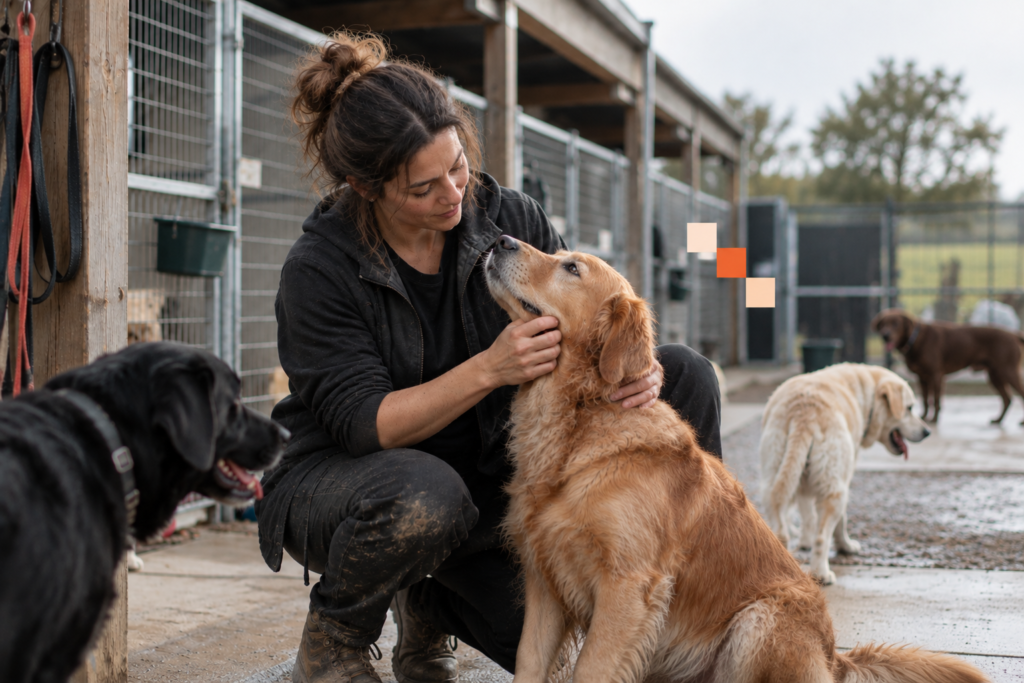
In one sentence: we look through your customer list for people who haven't been back in a while and agreed to hear from you, send each of them one warm, useful invitation by email or text, and tell you who answered, so your team can welcome them back.
What is past-customer reactivation, really?
Every business has a quiet list of people who liked it once. The couple who stayed at your B&B three summers ago. The homeowner whose boiler you serviced and who is now due another check. Most of them didn't leave unhappy. Life got busy, or nobody reminded them.
Reactivation is a short, friendly reminder that you're still here. It is not a newsletter, not a sales blast and not a stream of offers. Each person gets one message that makes sense for them, at a sensible time, with an easy way to book, reply or say "no thanks".
Why start with people who already know you?
A past customer already trusts you. Harvard Business Review notes that getting a new customer can cost anywhere from five to 25 times more than keeping an existing one, and cites Bain & Company research that a 5% rise in customer retention can raise profits by 25% to 95% (Harvard Business Review, 2014). Results vary by business. But a friendly nudge to someone who already knows you is usually the cheapest marketing there is.
What does an invitation actually look like?
Short, personal and useful. It says who it's from, why they're hearing from you now, and what to do next. Here's how that looks for two very different businesses:
An email from a heating company
"Hi Mark, it's Tom at Oakfield Heating. We serviced your boiler last October, so it's due its yearly check before the cold weather. Pick a time that suits you here, or just reply and we'll sort it. If you'd rather not hear from us, click unsubscribe below and we won't email again. Oakfield Heating, 12 Mill Lane."
A text from a dog groomer
"Hi Priya, it's Brookside Grooming. It's been a while since Biscuit's last visit. We have Saturday spaces in April if you'd like one. Book here: [link]. Reply STOP to opt out."
Names and numbers changed for illustration.
Notice what's missing: no pressure, no fake deadline. And nothing private. A text can pop up on a locked phone that anyone nearby can see, so we never put health details or anything personal in it.
Three steps. You approve every word.
We do the sorting, writing and sending. You decide who hears from you and what they read.
We find who's welcome to hear from you
We go through the customer list in your booking system, till or spreadsheet. We keep only people who agreed to hear from you, or who you're allowed to contact under the rules where you are. Anyone who opted out stays out, for good.
Clean list firstWe write it in your voice, you approve
We group people by when they last came and what they had, then draft one short email or text for each group. It sounds like you, gives a real reason to come back and makes saying "no thanks" easy. Nothing is sent until you say yes.
Your OK on every messageWe send, listen and tidy up
Messages go out at a sensible time, from your own email address or business number. We pass replies to you, take anyone who opts out off the list, and show you who replied or booked in your weekly note.
Reported every MondayWho it suits best.
It works best where customers naturally come back. If yours don't, we'll say so in your first fix.
A good fit if...
- Customers need you again: a yearly service, a regular groom, a new school term, an anniversary.
- You have a list of past customers somewhere, even a messy one, with emails or mobile numbers.
- Many of them ticked a box, signed up, or bought from you and were offered a way to opt out.
- You have quiet weeks you'd like to fill, and room in the diary to welcome people back.
Something simpler may do if...
- Most customers only ever need you once, like a one-off house move.
- Your list was bought, scraped or copied from somewhere else. We won't use it.
- You want discounts blasted to everyone every week. That's a newsletter, and we don't do those.
When old customers are glad to hear from you.
The best invitation arrives just when someone is thinking "I should sort that out". Here are a few moments that suit different kinds of business.
The yearly service
Heating and cooling customers from last year, invited for a check before the season turns.
The overdue groom
Dogs who haven't been in for a few months, with a link to the next free spaces.
The return stay
Guests from a past summer, invited back when next year's dates open.
The new term
Former pupils and parents, told when lessons restart and places are free.
Price on request, quoted after your first fix. Works with any plan.
The price depends on how big and how tidy your customer list is, how many groups we write for, and whether we send by email, text or both. You get a clear quote, and nothing starts until you say yes.
Keep
$100 / month
Protect, your enquiries by name, and your weekly note.
- Past-customer invites as an add-on
- Price on request
- Replies shown in your note
Grow Recommended
$250 / month
Keep, plus the fixes that help more visitors call or book.
- Past-customer invites as an add-on
- Price on request
- Booking path checked before invites go
Full Care
$500 / month
All three pillars. Past-customer invites are already included.
- Included, no extra charge
- Planned with review requests
- Trend lines month by month
Plan prices in US dollars, month to month, no setup fee.
Monday, 8:00
Hi Tom, a busy week. 5 old customers wrote back.
- 38 service reminders sent Tuesday, the wording you approved
- 5 replied. 3 booked online, 2 asked for a call back
- Still waiting: Mark D. and Sue K. asked for a call. Both wrote on Wednesday
- 1 person asked not to hear again. Removed from the list
- Draft the spring group for your OK by Thursday
We watch it, and we tell you who's waiting.
Sending the message is the easy part. What matters is what happens next: a reply nobody saw, a booking link that broke last week, or an "unsubscribe" that didn't get recorded. With a plan, we check all of that and put it in your Monday note.
- Booking page and forms tested before any invite goes out
- Replies passed to you, by name, with who's still waiting
- Opt-outs removed and kept on a do-not-contact list
- What we can see came back, with no guesses about revenue
See the weekly note and monthly page
Names and numbers changed for illustration.
How is it set up, and what do you need from me?
Most of the work is ours. Your part is knowing your customers and saying yes or no to each message. We confirm timing in your quote, because it depends on where your list lives and how much tidying it needs.
- We look at your list. Where it is, how it was collected, and what each person agreed to. If you can't tell, we work it out together, and when in doubt, we leave someone out.
- We clean it. Duplicates merged, bounced emails and dead numbers removed, opt-outs and complaints added to a do-not-contact list that stays with you.
- We choose the groups and the moments. For example: "serviced 11 to 14 months ago" or "stayed last summer, not booked this year". Fewer, better groups beat one big send.
- We draft, you approve. One message per group, in your words, with a clear way to book, reply or opt out. We test the booking link it points to on a phone first.
- We send, then follow up. At a sensible time, from your accounts. Replies go to you, and your note shows who's still waiting.
What we need from you
- Access to your customer list, or an export of it: name, email or mobile, last visit, and how they signed up.
- How you collected contact details, for example a booking form with a tick box, or a till that asks at checkout. This decides who we may contact.
- A sender we can use, such as your business email address or texting number, set up so messages arrive and don't land in spam.
- About 30 minutes to agree the groups, plus a few minutes to approve each draft.
- Anyone to leave out: sensitive cases, people in dispute, staff, family and friends.
Everything stays in your accounts and your name, and your list is used for your business only.
How does this compare with doing it yourself?
You can do this yourself with an email or texting tool, and plenty of owners do. If you enjoy it and have the time, it can work well. The difference is mostly the tidying, the rules, and who keeps an eye on replies afterwards.
| What matters | Email or text tool, on your own | Penguina, on a plan |
|---|---|---|
| Cleaning the list | Your job duplicates and old numbers included | Done for you with a do-not-contact list you keep |
| Checking who may be contacted | Your job the tool usually won't know | Checked with you when in doubt, left out |
| Writing the message | Templates often generic | In your voice approved by you |
| Booking page tested first | Not included | Before each send |
| Replies and opt-outs handled | If you check | Handled for you shown in your note |
| Who owns the list | You | You always |
| Cost | A monthly fee or per message, plus your time. Varies by tool | Price on request on Keep and Grow. Included in Full Care |
What are the rules on emailing and texting past customers?
Rules depend on where you and your customers are, and whether it's an email or a text. Here's the general picture as of October 2026. It is general information, not legal advice. If your business is regulated, check with your own adviser, and we'll happily work with them.
Read the details
United States
- Email: the CAN-SPAM Act. It doesn't require consent up front, but every marketing email must say who it's from, use an honest subject line, include a valid postal address and offer a clear way to opt out. Opt-outs must be honoured within 10 business days, and the FTC says each email that breaks the rules can bring a penalty of up to $53,088 (FTC, 2026). We take people off the list and keep them on your do-not-contact list.
- Texts: the TCPA. Marketing texts sent through automated systems generally need the person's prior express written consent. Since 11 April 2025, people can withdraw consent in any reasonable way, such as replying "stop", and businesses must act within 10 business days (FCC rule, via Kelley Drye, 2025). Federal rules also bar marketing calls and texts before 8am or after 9pm in the recipient's time zone, and some states are stricter.
United Kingdom and the EU
- The "soft opt-in". In the UK, PECR lets you email or text your own customers without separate consent only if you got their details during a sale or while they were thinking about buying, you're offering something similar, and you gave them a chance to opt out when you collected their details and in every message since (ICO, 2026). EU countries have similar rules under the ePrivacy Directive, with local differences. Otherwise, you need their consent.
Canada and Australia
- Canada: CASL. A purchase gives implied consent for two years, and an enquiry for six months. After that, you need express consent.
- Australia: the Spam Act. You need consent, must say who you are, and must offer a free, easy unsubscribe that's acted on within 5 working days (ACMA, 2026).
Health and care businesses: extra care
Clinics, practices and care providers often have extra rules on using patient or client details. We keep messages free of anything clinical, never offer cash rewards for referrals, and ask you to confirm with your professional body or adviser before we contact anyone.
Our own lines, wherever you are
No bought or scraped lists. No contacting anyone who opted out. No fake urgency. No selling or sharing your customers' details. If we can't tell whether someone agreed, we leave them out.
Questions about past-customer invites.
Something else? Ask in the chat, email hello@penguina.website or WhatsApp us.
Will it annoy my old customers?
Not if it's done well. One short, relevant message from a business someone liked is very different from a weekly sales email. We keep invites rare, agree with you how often anyone may hear from you, and make opting out a single click or a one-word reply.
My customer list is a mess. Is that a problem?
It's normal. Most lists live in a booking system, a till, an old spreadsheet and someone's inbox all at once. Tidying it is part of the job, and it's reflected in your quote. You end up with a cleaner list either way.
How many people will come back?
It depends on your business, your list and the timing. What we show you is exactly what we can see: how many messages went, who replied, who booked through the link, and who's still waiting for you.
Email or text: which is better?
It depends on what people agreed to. Texts get noticed fast but feel more personal and have tighter rules. Email gives more room to explain. Often we use email first, and texts only for people who asked for them.
Will messages come from you or from me?
From you: your business name, your email address or business number, your signature. Replies come straight to you. We handle the sending behind the scenes and check every message before it goes.
Can you offer a discount to tempt people back?
If you want to, yes, as long as it's real and has no fake countdown. Often a simple "we have spaces next week" works just as well. For health clinics, we don't offer cash rewards for referrals, and we keep anything clinical out of the message.
How is this different from review requests?
Review requests go to recent customers, asking them to share their experience. Past-customer invites go to people who haven't been back in a while, inviting them to return. On Full Care we plan both together, so people don't get two messages close together.
Sources for the figures on this page
- Amy Gallo, "The Value of Keeping the Right Customers", Harvard Business Review, 29 October 2014
- FTC, CAN-SPAM Act compliance guide, checked October 2026
- Kelley Drye on the FCC consent revocation rules, effective 11 April 2025
- ICO, electronic mail marketing guidance, checked October 2026
- ACMA, avoid sending spam, checked October 2026
- Electro-Federation Canada on CASL implied consent
Not sure where to start? Send us your website.
We look at it the way a customer would, find up to 3 real problems, and fix one of them free. No call needed.